

2026
Planning A Sterilization Workflow For A New Laboratory
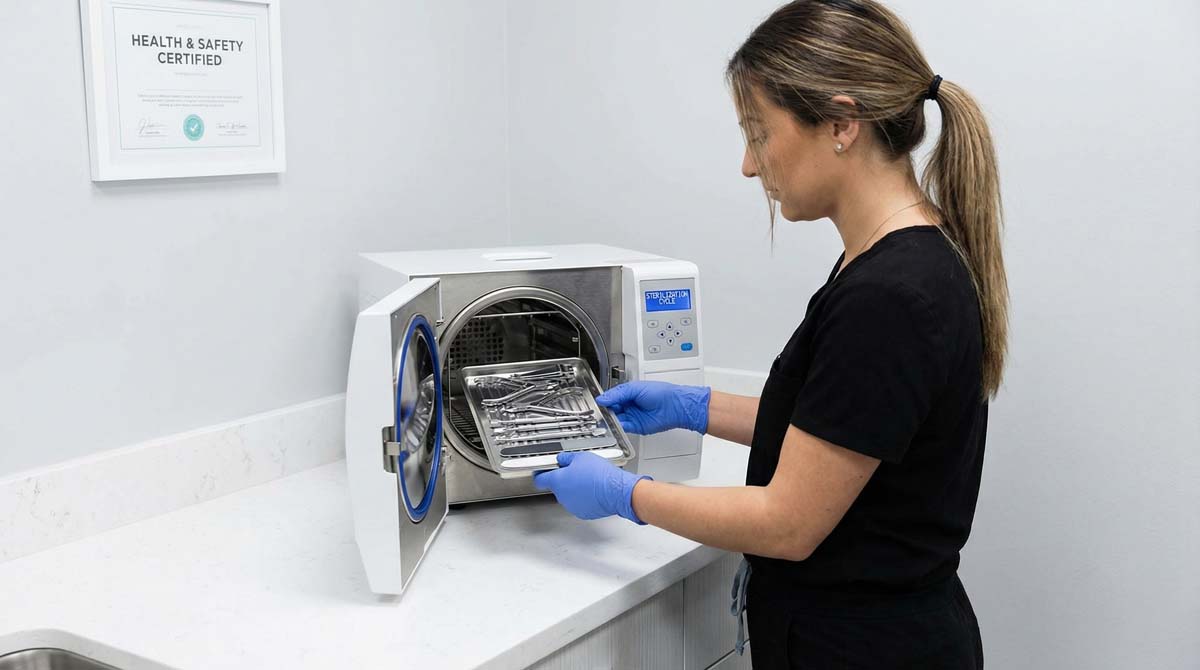
Setting up a new laboratory requires meticulous attention to detail, especially when it comes to infection control and contamination prevention. A well-designed sterilization workflow is the backbone of any successful scientific or medical facility.
That means whether you are opening a research facility in Vancouver or expanding a medical clinic in Calgary, understanding the fundamentals of sterilization is critical. By establishing clear protocols and investing in the right equipment from the start, you can avoid costly downtime and regulatory compliance issues down the road.
Assessing Your Specific Sterilization Needs
Before purchasing any equipment, you must evaluate the unique demands of your laboratory. Every facility handles different types of materials, which dictates the kind of sterilization processes required. A workflow that works for a dental clinic will look vastly different from one designed for a high-level microbiology lab.
You need to consider the volume of instruments processed daily and the types of loads you will be sterilizing. For instance, porous loads, liquids, and hollow instruments all require specific cycle parameters to ensure complete microbial destruction. Understanding these variables helps you determine the capacity and capabilities your equipment must possess.
When evaluating your needs, consider the following factors:
- The physical size and layout of your laboratory space
- The types of materials (glassware, liquids, surgical instruments) being processed
- The expected daily volume of sterilization cycles
- The specific regulatory standards your facility must adhere to
Taking the time to map out these requirements prevents you from under-equipping or overspending on your initial setup. It also ensures that your workflow can scale as your laboratory operations grow over time.
Selecting The Right Autoclave Equipment
Choosing the appropriate sterilizer is arguably the most important decision in your workflow planning. The autoclave serves as the workhorse of your decontamination process, utilizing high-pressure steam to eliminate bacteria, viruses, and spores. You must select a unit that aligns perfectly with the needs you identified during your initial assessment.
Here are key features to look for when selecting an autoclave:
- Pre-vacuum capabilities for effective air removal in hollow instruments
- Programmable cycle settings for different types of loads
- Built-in drying cycles to prevent moisture retention
- Data logging and printing functions for compliance tracking
Investing in reliable equipment from the beginning minimizes the risk of operational failures. If you are unsure about the installation process, it is helpful to understand what is involved in manual autoclave installation to ensure your setup meets all safety requirements.
Establishing A Logical Processing Layout
The physical layout of your sterilization area directly impacts the efficiency and safety of your workflow. A poorly designed space can lead to cross-contamination between dirty and clean instruments, compromising the entire sterilization process. Your layout should facilitate a unidirectional flow of materials.
This means creating distinct zones for receiving, cleaning, sterilizing, and storing instruments. Items should always move from the contaminated area toward the sterile storage area without ever crossing paths. Implementing this linear progression is a fundamental principle of infection control in any laboratory setting.
To create an effective processing layout, establish these distinct zones:
- A receiving and decontamination area for initial cleaning and sorting
- A preparation and packaging area for inspecting and wrapping instruments
- A sterilization area where the autoclave is located and operated
- A sterile storage area that is clean, dry, and temperature-controlled
By strictly enforcing this unidirectional flow, you significantly reduce the risk of human error. It also streamlines the daily tasks of your laboratory staff, allowing them to process instruments more efficiently and safely.
Implementing Routine Maintenance Protocols
Even the highest quality sterilization equipment requires regular upkeep to function correctly. Neglecting maintenance can lead to incomplete sterilization cycles, equipment breakdowns, and costly repairs. Establishing a proactive maintenance schedule is essential for the longevity of your investment and the safety of your laboratory.
Daily and weekly tasks, such as cleaning the chamber and checking door gaskets, should be performed by your laboratory staff. However, more complex servicing requires the expertise of trained professionals. Regular inspections help identify wear and tear before it escalates into a major mechanical failure.
Your routine maintenance protocol should include:
- Daily cleaning of the autoclave chamber and internal strainers
- Weekly inspections of door seals and safety valves
- Monthly flushing of the water lines and reservoir
- Annual professional servicing and component replacement
Partnering with a reliable service provider ensures that your equipment remains in optimal condition. Scheduling regular autoclave maintenance and calibration guarantees that your sterilizer operates within the manufacturer's precise specifications.
Validating Cycles With Sterilization Monitoring
You cannot simply assume that an autoclave cycle was successful just because the machine completed its run. Validating the efficacy of your sterilization process is a critical regulatory requirement and a cornerstone of laboratory safety. This is achieved through consistent and accurate monitoring practices.
Monitoring involves using physical, chemical, and biological indicators to verify that the correct temperature, pressure, and time parameters were met. These indicators provide tangible proof that all microbial life has been destroyed. Without this validation, you cannot confidently use the processed instruments in your laboratory procedures.
A comprehensive monitoring strategy should utilize:
- Physical monitors like printouts and digital logs to track cycle parameters
- Chemical indicators placed inside and outside packages to verify steam penetration
- Biological indicators containing highly resistant spores to confirm microbial lethality
- Bowie-Dick tests to detect air leaks in pre-vacuum sterilizers
Maintaining detailed records of these monitoring results is essential for compliance audits. Utilizing reliable sterilization monitoring products ensures that your laboratory meets the highest standards of safety and quality control.
Training Staff On Standard Operating Procedures
The most advanced sterilization equipment is only as effective as the personnel operating it. Comprehensive training is vital to ensure that your workflow is executed correctly and consistently. Every staff member involved in the sterilization process must understand the underlying principles of infection control.
Training should cover everything from the initial decontamination of instruments to the proper loading of the autoclave chamber. Staff must also be educated on how to interpret monitoring results and what actions to take if a cycle fails. Continuous education keeps your team updated on the latest safety protocols and regulatory changes.
When developing your training program, ensure it covers:
- Proper use of personal protective equipment (PPE) during decontamination
- Correct techniques for cleaning, inspecting, and packaging instruments
- Safe operation of the specific autoclave models used in your facility
- Procedures for documenting cycle results and handling sterilization failures
By investing in thorough training, you empower your staff to maintain a safe and compliant laboratory environment. It also fosters a culture of accountability, where everyone understands their role in preventing contamination.
Securing Long-Term Laboratory Success
Designing an effective sterilization workflow is a foundational step in establishing a new laboratory. By carefully assessing your needs, selecting the right equipment, and implementing strict protocols, you create a safe environment for both your staff and your research.
Whether your facility is located in Edmonton or Surrey, consistent maintenance, rigorous monitoring, and ongoing staff training are the keys to maintaining this standard of excellence. When you commit to these best practices, you build a resilient laboratory capable of delivering accurate and reliable results for years to come.
Alpha Scientific supplies, installs, and services medical equipment in western Canada. If you have any questions about this article or would like to talk to us about medical equipment, please call our toll-free number, (888) 818-4847, or email us at sales@alphascientific.ca.
