

2026
How to Plan for Autoclave Downtime Without Disrupting Laboratory Operations
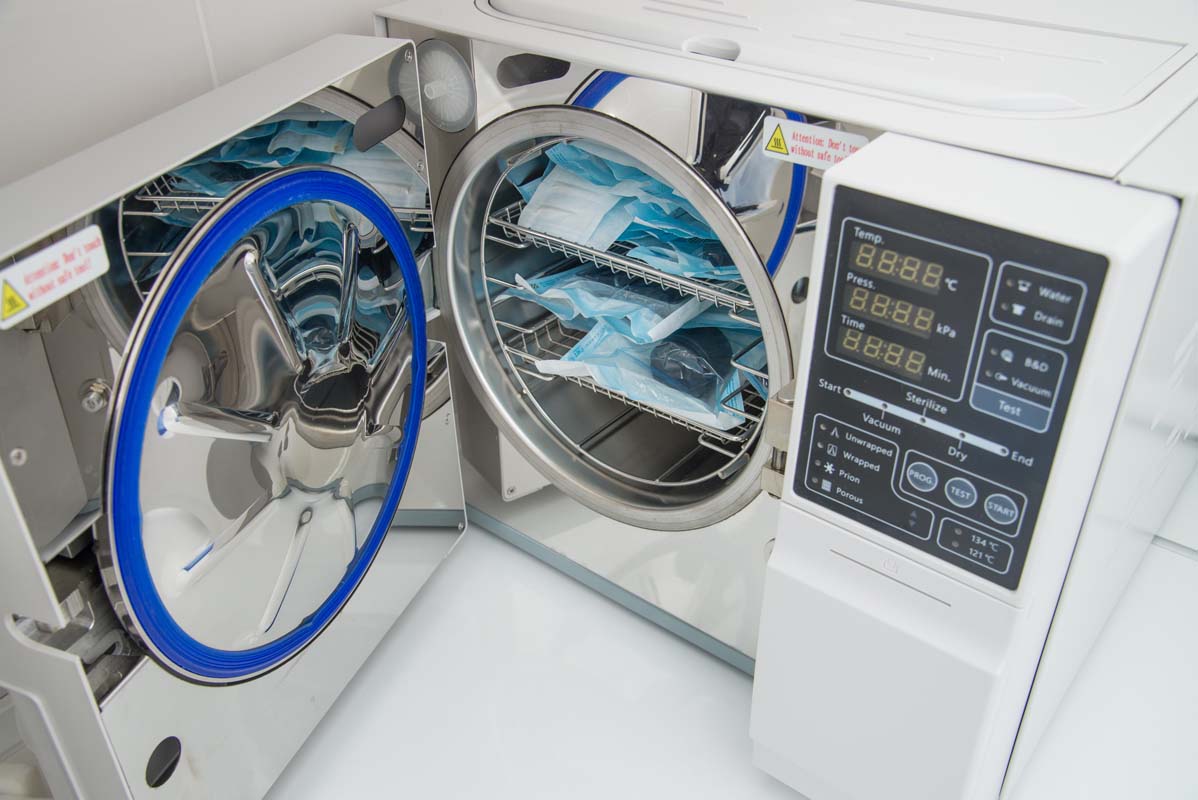
Autoclaves are critical for sterilization, but like all essential equipment, they require periodic maintenance and can experience unexpected downtime. Proactive planning is not just a best practice; it is a necessity to prevent disruptions that can compromise research, patient safety, and operational efficiency.
This guide provides a comprehensive approach to managing autoclave downtime, ensuring your laboratory in BC or elsewhere in Western Canada remains productive and compliant, even when your sterilization workhorse is out of commission. By implementing strategic measures, you can minimize the impact on your daily workflow and safeguard your valuable work.
Understanding Autoclave Maintenance Needs
Regular maintenance is the cornerstone of preventing unexpected autoclave failures. Laboratories in Western Canada, from Vancouver to Calgary, depend on these machines for critical sterilization processes. Understanding the typical maintenance schedule and common issues can help predict and prepare for periods when your autoclave might be unavailable. This includes routine inspections, calibration, and part replacements.
Ignoring these needs can lead to more severe breakdowns, extended downtime, and costly emergency repairs. A well-documented maintenance history also aids in troubleshooting and ensures compliance with regulatory standards, which is vital for any scientific or medical facility.
Developing a Contingency Sterilization Plan
A robust contingency plan is essential for any laboratory. This involves identifying alternative sterilization methods or facilities when your primary autoclave is out of service. For instance, smaller benchtop autoclaves can serve as temporary solutions for less voluminous loads, or arrangements can be made with nearby institutions.
Consider the types of materials you sterilize and their specific requirements. Some items might be suitable for chemical sterilization or dry heat, while others strictly demand steam sterilization. Having a clear protocol for each scenario will streamline operations during an unexpected outage.
Key considerations for your contingency plan include:
- Identifying backup equipment within your facility or network.
- Establishing agreements with external laboratories for shared resources.
- Training staff on alternative sterilization techniques.
- Maintaining an inventory of essential sterile supplies.
By thinking through these possibilities in advance, you can avoid last-minute panic and ensure a smooth transition during downtime. This foresight is particularly valuable in regions like British Columbia, where specialized equipment access might be geographically dispersed.
Optimizing Workflow for Minimal Disruption
Efficient workflow management can significantly mitigate the impact of autoclave downtime. This involves scheduling non-critical sterilization tasks around planned maintenance periods and prioritizing urgent loads. Effective communication within the laboratory team is crucial to ensure everyone is aware of the autoclave's status and the adjusted protocols.
Implementing a system for tracking sterilization needs and capacity can help in making informed decisions. This might involve a simple logbook or a more sophisticated digital tracking system. The goal is to distribute the workload effectively and prevent bottlenecks.
Managing Critical Supplies and Inventory
Maintaining an adequate inventory of sterile supplies is a critical component of downtime planning. This includes having a buffer of sterilized instruments, media, and reagents to cover the period your autoclave is out of commission. Over-reliance on just-in-time inventory can be risky when equipment fails.
Regularly review your supply levels and adjust them based on historical usage and anticipated downtime. Consider establishing relationships with suppliers who can provide expedited delivery of sterile goods if an emergency arises. This proactive approach ensures that essential operations can continue uninterrupted.
To effectively manage your inventory, consider:
- Implementing a robust inventory management system.
- Establishing minimum and maximum stock levels for critical items.
- Regularly auditing stock to prevent shortages or overstocking.
- Exploring options for bulk purchasing of frequently used sterile items.
These strategies are particularly important for laboratories in Western Canada, where supply chains can sometimes be affected by logistical challenges. Browse our shopping categories for essential laboratory supplies.
Leveraging Professional Autoclave Services
Partnering with a reliable service provider for autoclave maintenance and repair is invaluable. Companies specializing in autoclave maintenance and calibration can offer scheduled preventative maintenance, emergency repair services, and expert advice on managing downtime. Their technicians often have extensive experience with various models, including large autoclaves, ensuring quick and efficient service.
Such partnerships can provide peace of mind, knowing that expert help is just a call away. They can also assist in developing a tailored downtime plan that considers your specific laboratory needs and equipment. This external support is a crucial element in a comprehensive strategy.
Consider the benefits of professional services:
- Access to factory-trained and certified technicians.
- Preventative maintenance schedules to minimize unexpected breakdowns.
- Expedited repair services during emergencies.
- Expert guidance on equipment optimization and longevity.
For more insights into laboratory planning, read our blog on planning a sterilization workflow for a new laboratory.
Ensuring Operational Continuity
Maintaining operational continuity during autoclave downtime requires a multi-faceted approach that combines meticulous planning, efficient resource management, and strategic partnerships. By anticipating potential issues and implementing proactive solutions, laboratories in Western Canada can safeguard their critical sterilization processes and ensure uninterrupted research and service delivery.
The key is to view downtime not as an obstacle, but as a predictable event that can be managed with the right strategies. This includes regular maintenance, contingency planning, optimized workflows, smart inventory management, and leveraging professional support. Ultimately, these efforts contribute to a more resilient and efficient laboratory environment.
Effective planning ensures that even when equipment is temporarily unavailable, your laboratory's vital functions continue seamlessly. Explore our services to support your laboratory operations.
Alpha Scientific specializes in autoclave sales, service, and repair throughout Western Canada. Our factory-trained, certified technicians have over 25 years of experience servicing autoclaves and related medical equipment. We sell the best and service the rest.
